
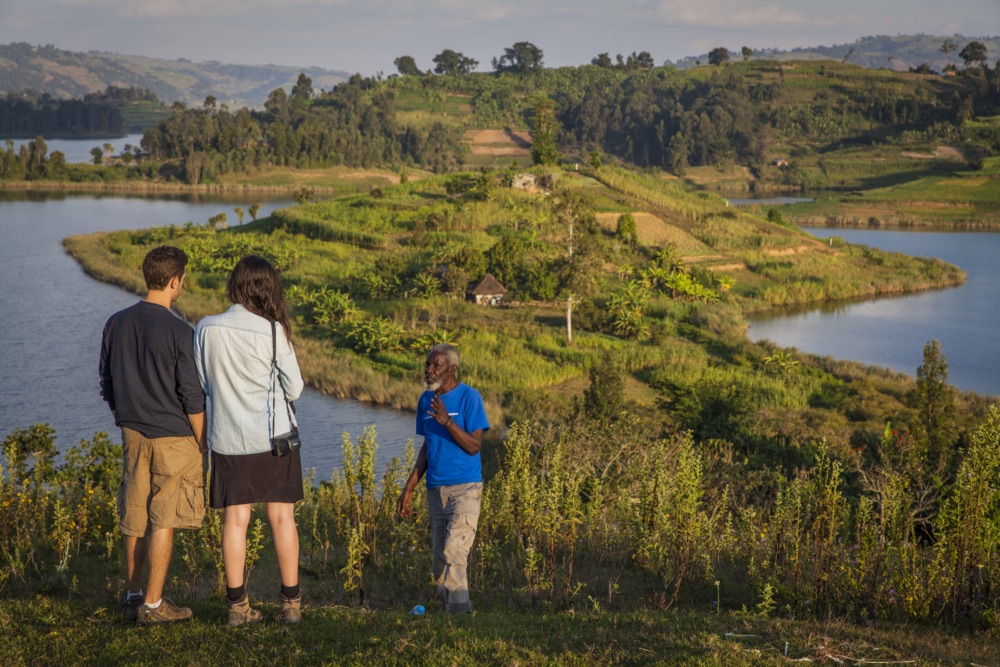
Right, so officially Lake Bunyonyi has 29 islands … but who’s keeping track, really? (No one actually knows how they came up with that number.) With the water creeping up bit by bit, a brand-new island looks like it might be joining the gang soon. One of the longest ones, Habukomi, seems to be slowly tearing itself in two — bit of an identity crisis, maybe?
Why? It’s not magic, sadly. It’s down to a combination of iffy farming on the surrounding hills and not much of an escape route for the water. Eroded soil keeps tumbling into the lake, pushing the level higher, and with only a tiny river up north to drain it, the poor lake has nowhere to put it all.
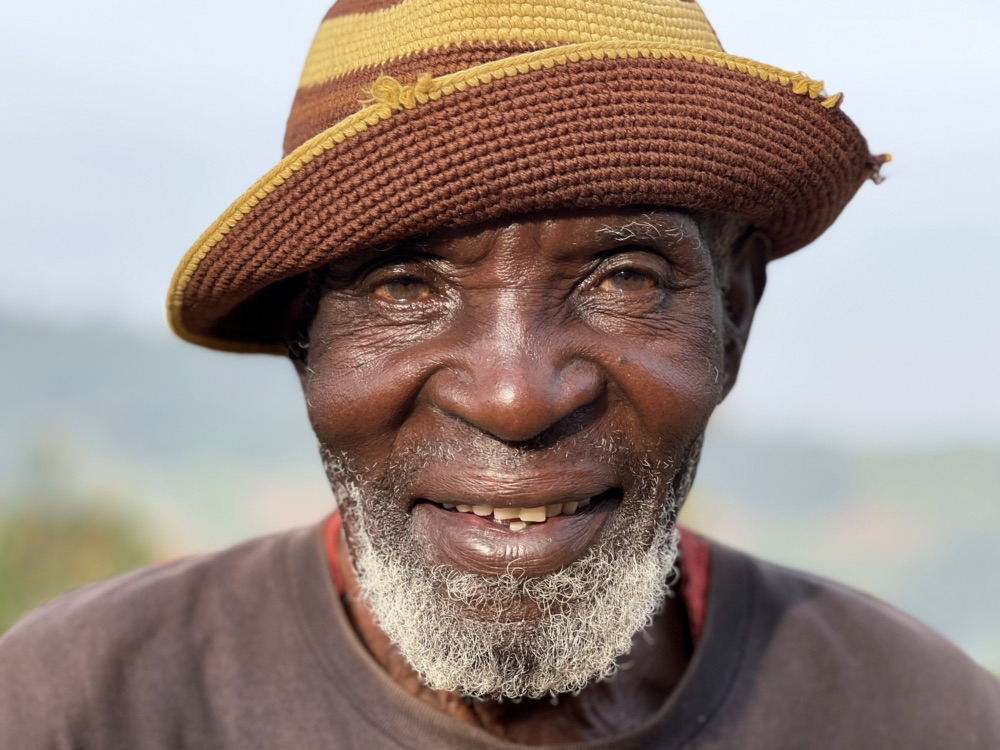
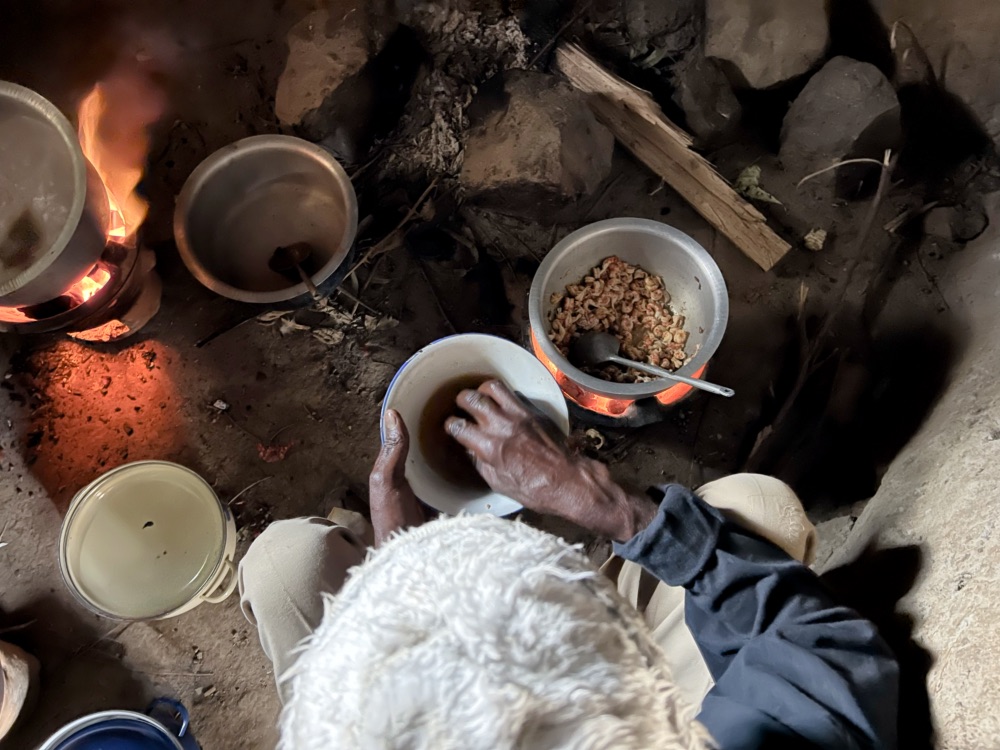
So don’t act surprised when you wade through the middle bit of Habukomi and your foot disappears into the muck. We know it well — we take guests there all the time to visit Tom’s Homestay. Now Tom Karemire is a bit of a legend. He used to be the nightwatchman at Edirisa on Lake Bunyonyi for ages, and now he runs a lovely little campsite with us, his pride and joy (and pension plan).
He’s not just serving up top-notch crayfish — he’s also quietly guarding the island. Tom owns some plots of land around the edge, which conveniently blocks access to the middle, stopping rich folks from buying up bits of it. While other islands have gone the way of private retreats, Habukomi’s still, mostly, in the hands of locals. Respect.
If you ask Tom, he’ll tell you Habukomi means “to tie.” Back in the day, if you weren’t brave enough to fight in a clan war, they’d tie you up and leave you on the island to think about your life choices. Tough love, Bunyonyi-style.
Here’s the juicy bit — our guides started calling it Pelican Island because every time the great white pelicans visit Bunyonyi, they make a beeline for the fig trees here. And with the way Habukomi’s splitting, we’re thinking: why not give each half its own name? Habukomi on one side, Pelican Island on the other. Has a nice ring to it, doesn’t it?
🖋️ text by:
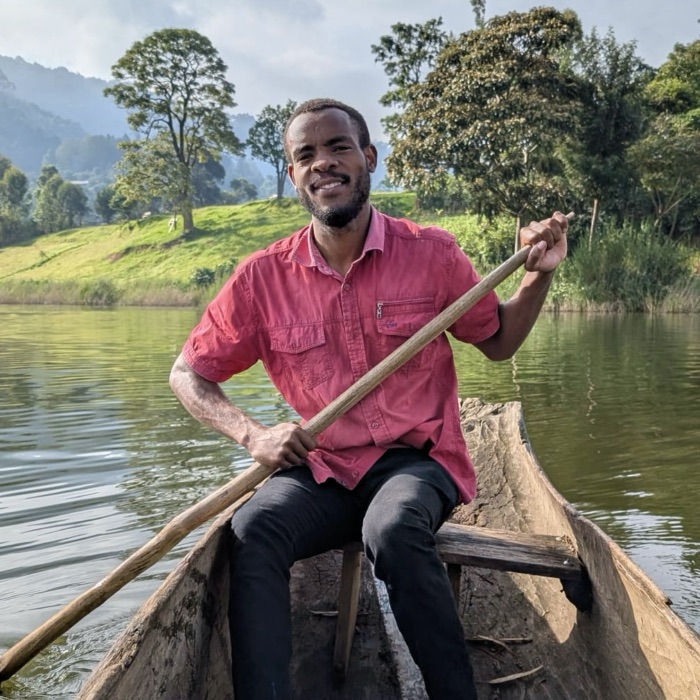
Levi Ayebare was previously the man in charge of setting up Gorilla Highlands Experts tented camps on the Ugandan side of the region. These days, Levi is our tour guide and chef at Edirisa on Lake Bunyonyi; he lives nearby in the village of Bufuka, Uganda. [bio updated: 2026-03]
📸 photography by:
Jonathan Fontaine’s award-winning photography has covered the Rohingya in Burma, the nomads in the Horn of Africa (World Press Photo 2023), deforestation in the Gran Chaco, mass tourism in Bali and the effects of the TotalEnergies pipeline in Uganda. He lives in Reims, France. Click for our interview with Jonathan. [bio updated: 2026-03]
Marcus Westberg is a multiple award-winning photographer and writer from Sweden whose work — covering conservation, wildlife and travel — appears regularly in several global publications. He has made several trips to our region specifically to volunteer for Gorilla Highlands Experts. When not globetrotting, Marcus lives with his wife and daughter close to Lisbon, Portugal. Click for our interview with Marcus. [bio updated: 2026-03]
ML Rwebandira is an adventure and cultural tourism expert, writer and multimedia producer who co-founded Gorilla Highlands Experts. Born as Miha Logar, he now combines his initials with “Rwebandira” to honour the Bakiga elder Karwemera, who gave him the name. ML’s most recent publication is the Pocket Treasure. A national of both Uganda and Slovenia, Rwebandira resides with his son Lan in Musanze, Rwanda. Click for his personality-infused quarterly newsletters. [bio updated: 2026-09]
Wish to check out all our 100+ contributors? Dive into the GHE Biosphere to meet everyone who has made us.