

When you consider trekking in the Gorilla Highlands of Uganda and Rwanda—towards our extraordinary mountain gorillas or through the dramatic cultural landscapes—you should free your mind first. There are many preconceptions that have to do with Africa and simply do not apply.
How safe is Uganda? How safe is Rwanda?
In one word: very. The authorities in both countries are passionate about safety and security. On the streets of Rwanda you will see the military in plain sight, in Uganda not so much, but the countries’ main strength are actually the local networks. Villages have people responsible for keeping an eye on everything that happens in their area, so it is very unlikely that outsiders with ill intentions could do anything unnoticed.

Tightly-knit rural communities are in fact the safest environment one can wish for. Everybody knows everybody; if you wonder what some men sitting close to your tent are doing, your host surely does not. Your valuables will be just fine. This connectedness of course weakens the more urban/touristy the place is, so do not get too comfortable after experiencing the village. The city can be something else entirely. (Well, doesn’t that apply throughout the world?)
What about wildlife in Uganda/Rwanda? How dangerous are snakes?
Outside of national parks (where you will have armed escort) the land is super-heavily cultivated. You know the stereotype of the lazy African? It’s laughable; people of these mountains work very hard to convert even the steepest slopes into agricultural assets. Where a leopard could hide in a bush a century ago, a field of potatoes or a plantation of eucalyptus trees dominates nowadays.
Unless you specifically look for them and dig into the soil, you will not easily run into a snake. They know they should better avoid humans…
But the mosquitoes must be terrible! Do your tents have mosquito nets?
Mosquitoes are definitely there, and some females among them may distribute malaria parasites. But if you are expecting the air buzzing with them, you will be amazed; a mosquito is more of an exception than a rule.
Tents in use on the Gorilla Highlands Trails have a net layer on the entrance and you should keep it zipped. If you wish to apply a repellant before you join the campfire, focus on your ankles because mosquitoes are more likely to attack closer to the ground. Spraying yourself with chemicals during the day makes little sense.

You must be talking about the dry periods! What if I come during the rainy season?
The number of mosquitoes will indeed be higher when residue water creates the kind of environment they thrive in. That is when you will hear some of their trademark sound. When it is dry, hardly any.
By the way, do you know that the rainy season issue is quite overrated? In the whole year there are 2-3 weeks when it seriously, continuously rains here, and that period is impossible to predict. That does not mean that the rest of the year is dry though… Almost every day is a mixture of sun and rain. Yet in over a decade of organising treks, our itineraries have been severely affected by rain merely a couple of times.
How hot is it over there?
Not hot at all. Our altitudes of over 2,000m (6,500ft) mean a very temperate climate. Something like permanent European autumn. And it can get chilly too! Average temperatures of around 20˚C (68˚F), can drop to 10˚C (50˚F) by night. Travellers often regret not bringing enough warm clothes because in their mind Africa really cannot be that cold… On the Gorilla Highlands team we have a lady from central Uganda who occasionally turns on an electric heater because it is too freezing for her.
Mind. Blown.
📸 photography by:

Jiro Ose took part in the 2015 Gorilla Highlands Press Trip, and left a fantastic photo library behind. He has received several global photojournalism prizes, including the Award of Excellence at the Pictures of the Year International competition for his coverage of elections in DR Congo. After spending nearly 15 years in Africa, three years on Beirut and five years in Indonesia, Jiro recently relocated to Bangkok, Thailand. [bio updated: 2026-03]
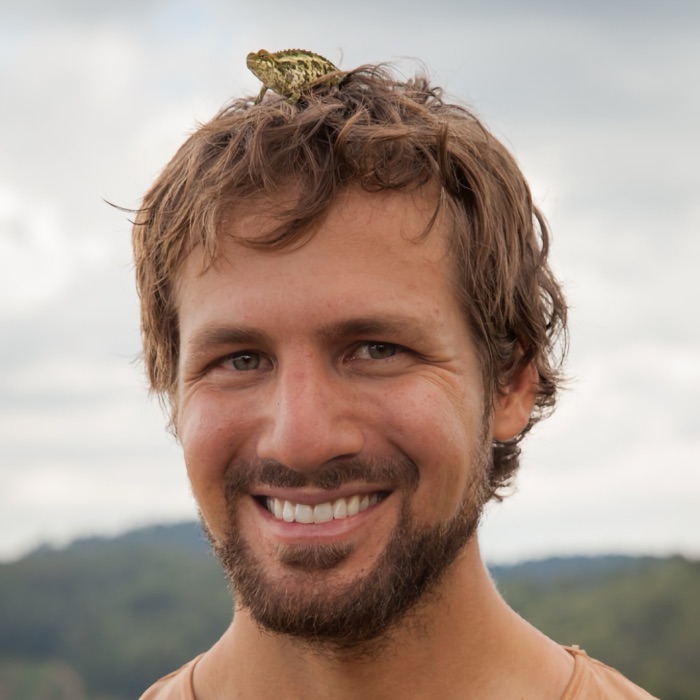
Marcus Westberg is a multiple award-winning photographer and writer from Sweden whose work — covering conservation, wildlife and travel — appears regularly in several global publications. He has made several trips to our region specifically to volunteer for Gorilla Highlands Experts. When not globetrotting, Marcus lives with his wife and daughter close to Lisbon, Portugal. Click for our interview with Marcus. [bio updated: 2026-03]
🎥 video by:
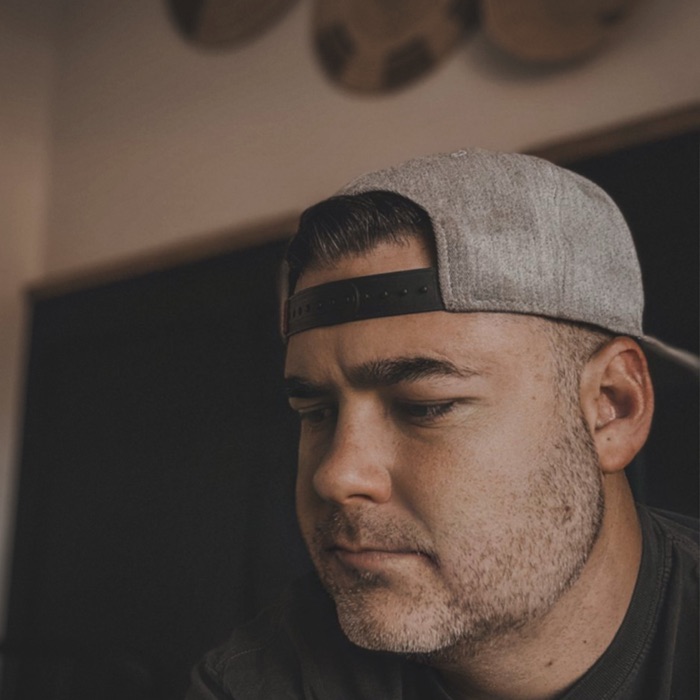
Josh Hamby left his mark on the Gorilla Highlands as a volunteer drone videographer in 2016, capturing footage that continues to promote our region. He lived in Uganda from 2012 to 2017 and still returns every few years. Josh — now a husband and a father — also runs a construction company and consults for churches and individuals on sustainable development in West Texas, USA. [bio updated: 2026-04]
🎤 voice by:
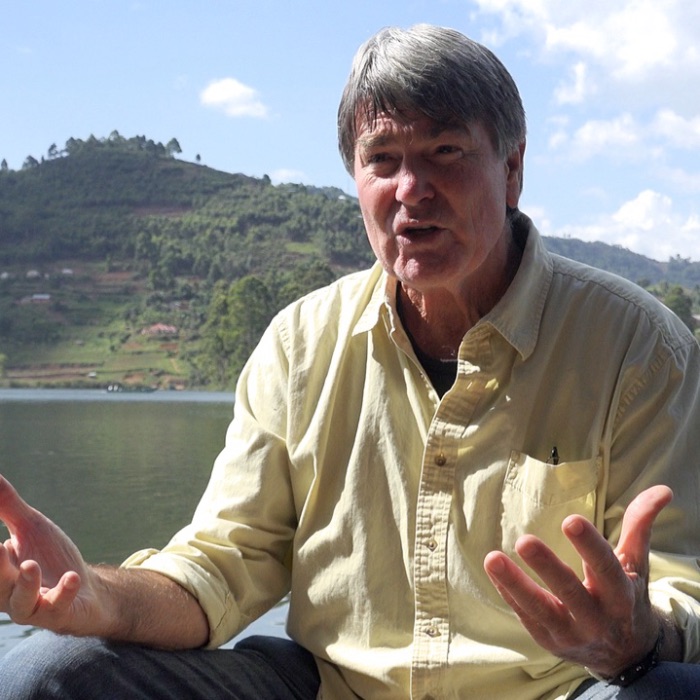
Jon “Oruhindu” Lee is the legendary narrator of Gorilla Highlands Experts videos and the former grammar guru of the organisations blogs. His English teacher and TV commentator careers prepared him for this role well, but he is also a tomato grower, volleyball coach and writer. When he isn’t visiting our region, he lives in Santa Barbara, California. [bio updated: 2026-03]
🖋️ text and 🎥 video by:
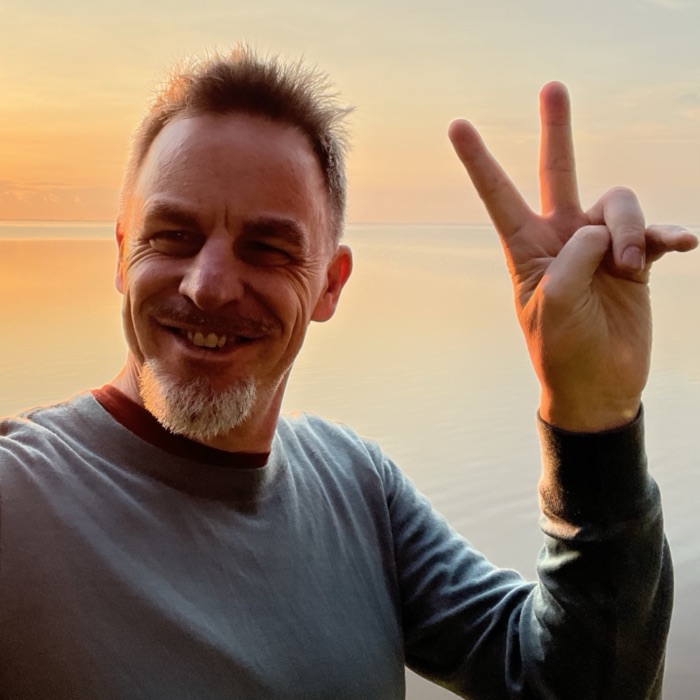
ML Rwebandira is an adventure and cultural tourism expert, writer and multimedia producer who co-founded Gorilla Highlands Experts. Born as Miha Logar, he now combines his initials with “Rwebandira” to honour the Bakiga elder Karwemera, who gave him the name. ML’s most recent publication is the Pocket Treasure. A national of both Uganda and Slovenia, Rwebandira resides with his son Lan in Musanze, Rwanda. Click for his personality-infused quarterly newsletters. [bio updated: 2026-09]
Wish to check out all our 100+ contributors? Dive into the GHE Biosphere to meet everyone who has made us.