
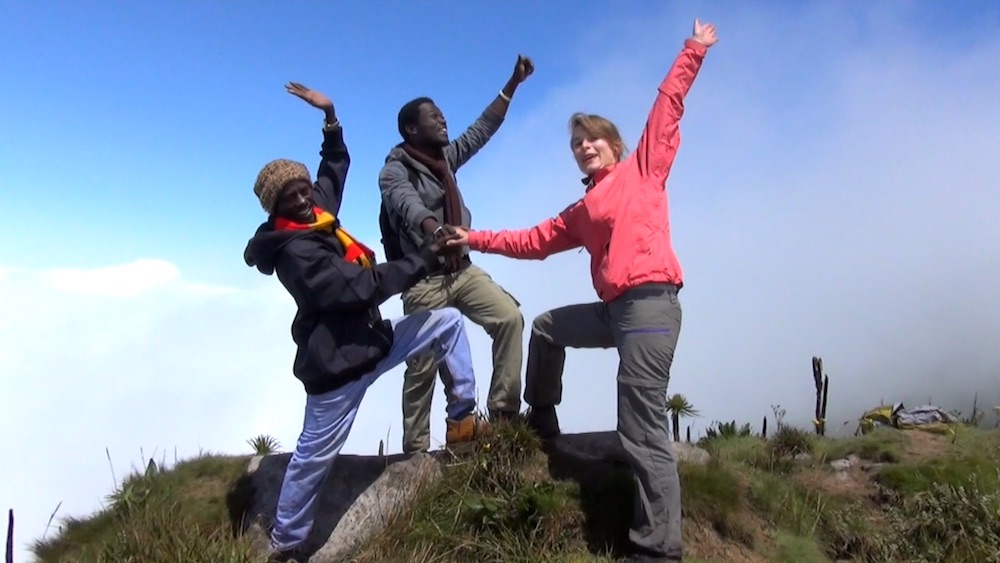
The success of the Video Map took our global team by surprise. We knew we had something special but we didn’t expect such huge, immediate Facebook effect. Our post reached 18,942 people because we paid Mr Zuckerberg $7 (yes, seven dollars) but the rest has all been “organic”; friends sharing with friends.

We also prepared a one-minute version of the intro video for Instagram and reduced its size for WhatsApp, making it easier for Ugandans and Rwandans to watch. The goal was to make the people of the Gorilla Highlands not just proud of their home but explore the 37 videos like everybody else and get to know the region better.
“The rationale behind the project is that getting visitors to Africa is not the easiest task. There are so many misconceptions about the continent that people simply cannot imagine how attractive and accessible it is. Video is the most powerful communication medium because it offers potential guests the most convincing and engaging picture of an area,” we wrote in 2013, expecting the Gorilla Highlands Video Map to be a much bigger deal than our award-winning ebook.
We are not stopping here of course. We are working on better coverage of Lake Mutanda, have started recording at Musanze and will be adding a couple of places at Lake Bunyonyi that have long been on our waiting list. Most attractively, at the end of this month we are visiting Nyiragongo, the active volcano in Congo, to shoot a video story. Once those clips are ready on the map, we will invite activity providers, lodges and hotels from the wider region to join the project.
Total flexibility is the main feature of the Mapbox solution that powers our map, built on the efforts of the OpenStreetMap community that we are part of. We can expand our geographical coverage in any direction we wish. It is clear that our focus is the Gorilla Highlands region but we will not shy away from other areas that our visitor may be interested in.

As soon as possible we also have to add the booking dimension. That was not part of the plan, however, when Sam Boarer of Discover Rwanda visited us at our HQ on Lake Bunyonyi in March and saw our prototype, he had a radically simple complaint: How do I book? True, for the videos to be most effective, we have to link them with a reservations system that will allow visitors to book with their credit cards. We are not too eager to directly deal with accommodation (hotels may not offer reliable reservation services) but activities are less problematic to reserve – and in fact our centre of attention. To simplify the arrangements, Gorilla Highlands will act as a tour operator would: we will book things to do and places to sleep and get a commission.
🎤 voice by:
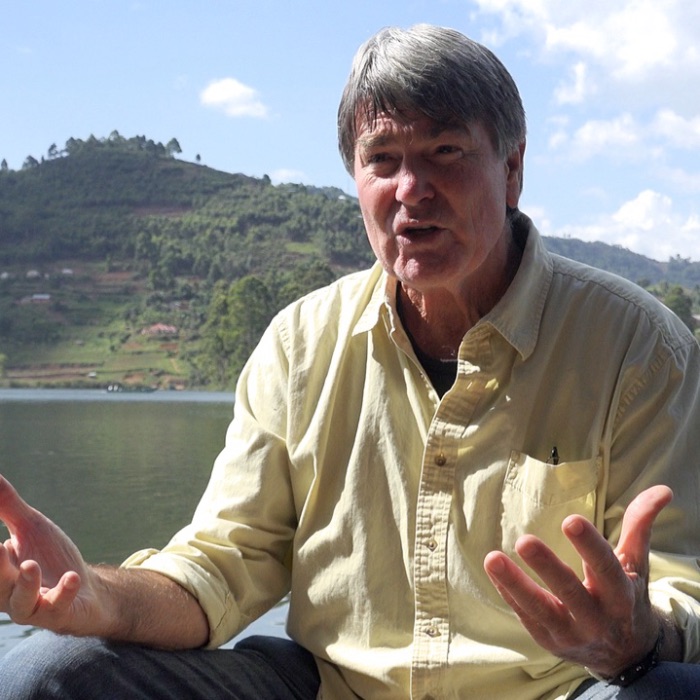
Jon “Oruhindu” Lee is the legendary narrator of Gorilla Highlands Experts videos and the former grammar guru of the organisations blogs. His English teacher and TV commentator careers prepared him for this role well, but he is also a tomato grower, volleyball coach and writer. When he isn’t visiting our region, he lives in Santa Barbara, California. [bio updated: 2026-03]
🖋️ text and 🎥 video by:
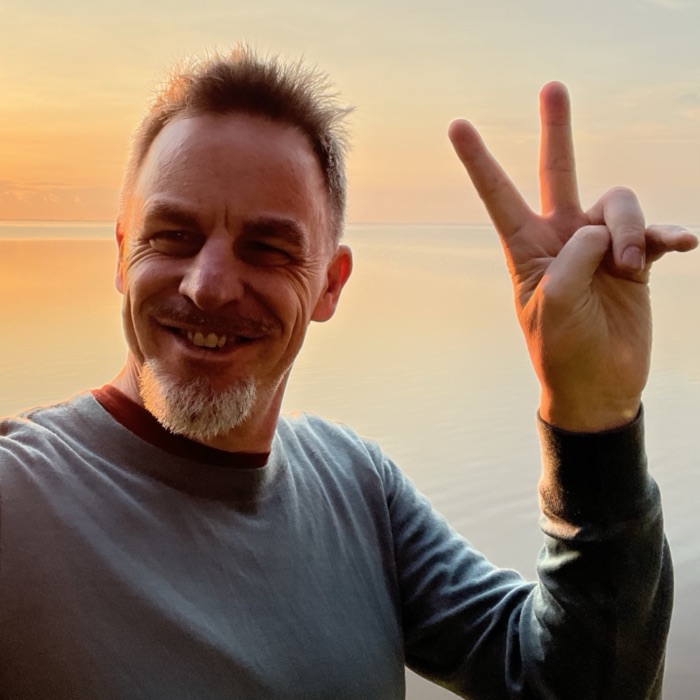
ML Rwebandira is an adventure and cultural tourism expert, writer and multimedia producer who co-founded Gorilla Highlands Experts. Born as Miha Logar, he now combines his initials with “Rwebandira” to honour the Bakiga elder Karwemera, who gave him the name. ML’s most recent publication is the Pocket Treasure. A national of both Uganda and Slovenia, Rwebandira resides with his son Lan in Musanze, Rwanda. Click for his personality-infused quarterly newsletters. [bio updated: 2026-09]
Wish to check out all our 100+ contributors? Dive into the GHE Biosphere to meet everyone who has made us.