

Mountain gorillas inhabit the highlands of Uganda, Rwanda and DR Congo. They evolved half a million years ago, with the rise of the Virunga volcanoes, adapting to the terrain by diverging from other eastern gorillas, becoming bulkier and hairier.
They are herbivores who sometimes eat ants and termites. They tend to eat in the morning and in the afternoon and travel 1-2km (1mi) in search of suitable nesting sites.
Mountain gorillas use vocalisations, physical gestures and movement to communicate. Their contact grunts are very important for group cohesion and coordination.
Females reach sexual maturity at eight years and mate with some or all males in the group. Pregnancy is 8.5 months and there are 3-4 years between births. At birth they weigh 1.5-2kg (4lb) and after four months ride on their mother’s back.
A silverback is an adult male, over 12 years old, with a distinctive patch of silver hair on his back and large canine teeth. He is the group leader, makes all the decisions, mediates conflicts, leads them to feeding sites and is responsible for defence, safety and well-being.
Discovered in 1902, their groups consist of 10-20 members and they live 30-50 years. There are only about 1,000 mountain gorillas in existence but their number is increasing. They can be visited in four parks: Rwanda’s Volcanoes NP, Uganda’s Bwindi and Mgahinga NPs and Congo’s Virunga NP.
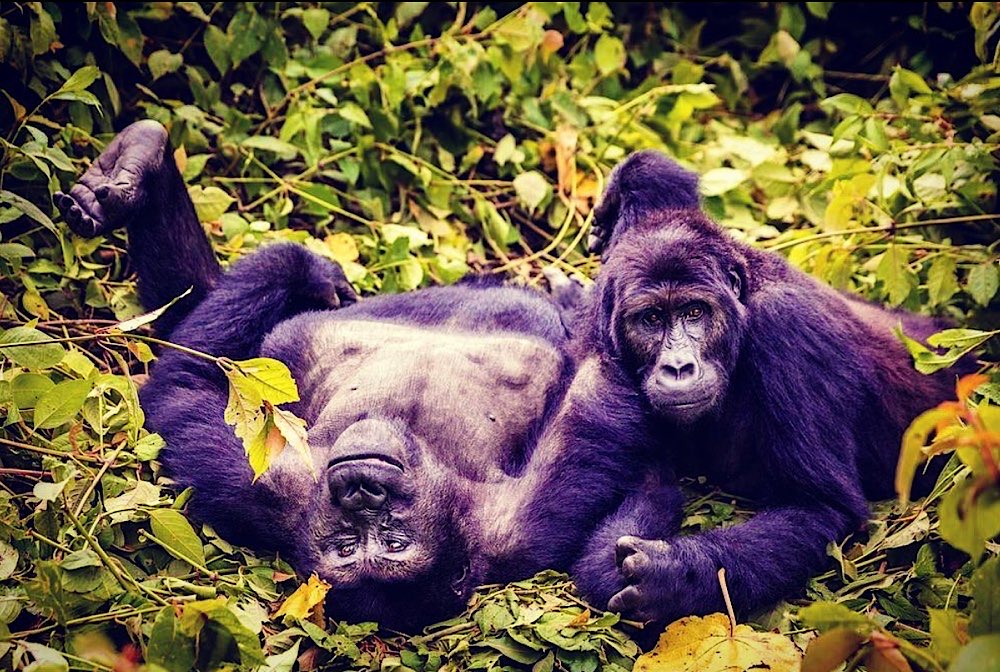
Kahuzi-Biega NP is the only place in the world where habituated Eastern lowland gorillas (also known as Grauer’s gorillas) can be seen. The biggest of all gorilla subspecies, Grauer’s males grow to almost two metres (6 feet and 5 inches). They have shorter hair than mountain gorillas. It is estimated that there are about 3,500 of them left on the planet.
featured image: silberback mountain gorilla in Mgahinga Gorilla National Park by Jiro Ose
Our Stories About Gorillas:
-

Pedalling Uganda: From Lakes and Gorillas to Lions in Trees (Part 2)
… So, our three cyclists had crashed at Ruhija, a village on the rainforest edge. (If you’ve missed the start of their shenanigans, swing by Part 1). They woke up full of hope … and, being British, managed to size up the situation with a wry grin: here they were, in Bwindi Impenetrable National Park,…
-

Three Silverbacks, One Happy Gorilla Family
If you are advised by the Gorilla Highlands team, your gorilla tracking adventure in the Virungas will most likely introduce you to the Nyakagezi family in Mgahinga Gorilla National Park. Forget what old books or Google tell you, these friends of ours haven’t left Uganda for over a decade! They are usually found in the…
-

Where Can I Learn the Most About Gorilla Conservation?
If gorilla tracking is more than a selfie opportunity to you, add the Ellen DeGeneres Campus to your itinerary. Even from Uganda, it’s worth a day trip — located about an hour from the Cyanika border post in Kinigi, Rwanda. This 12-acre (5-hectare) facility is home to the Dian Fossey Gorilla Fund. Yes, that Fossey…
-

Virungas vs Bwindi: Where to Track Gorillas in 2025?
If you’re not a huge fan of crowds, wrestling through dense bushes or sweaty hikes, you may find that the Virunga volcanoes offer a more enjoyable gorilla tracking experience than the better-known Bwindi Impenetrable National Park. Bwindi is Uganda’s go-to spot for seeing gorillas, but the Virungas — linking DR Congo, Rwanda and Uganda —…
-

When Her Life Rolls Out in Front of Her Eyes
When we organise trips for other tour companies, we never push to build relationships with the guests. It’s kinda unprofessional; their clients are their clients and their brand is their brand. But when one of last month’s travellers tagged an image on Facebook because she had enjoyed our home-made lunch so much, we reached out…
-

Go-To Guide: Track Gorillas in Uganda, Rwanda & DR Congo
Better late than never! Because we tend to emphasise the intriguing human side of our region, we have never had one dedicated source that brings together all the facts that matter to a gorilla enthusiast. Here it is, and we shall update it and improve it over time! If you fancy more in-depth coverage by…
-

Resident of Africa? Do Not Miss This Gorilla Tracking Opportunity!
Update, March 2024: The USD 500 special price for African residents is now a permanent feature in both Rwanda and Uganda.Do you know that if you reside anywhere in Africa, USD 500 is all you will pay for a gorilla tracking permit in Rwanda? This discount is valid till the end of 2023 and you…
-

Can Primate Parachuters Be Responsible Tourists?
If our goal is to make travel in the Gorilla Highlands region more responsible, what do we do with Primate Parachuters?The Primate Parachuter (PP) shall be a provisional term for a tourist who is only interested in seeing mountain gorillas, and maybe chimps. For many PPs, time in Rwanda/Uganda is severely limited, usually because this…
-
Is Tracking Gorillas Ethical?
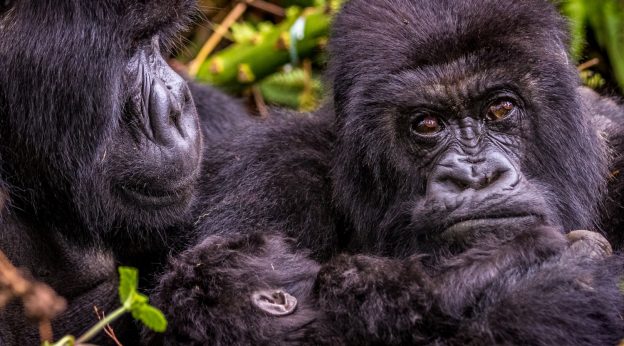
105mm, f/3.2, 1/400s, ISO1600 Questions like this are tricky, mainly because only one of the parties involved — that would be us, the humans — can truly understand what’s happening and why. Let us explain …Mountain gorillas were almost extinct by the early 1980s, and only a concerted conservation effort brought them back from the…