

Mountain gorillas inhabit the highlands of Uganda, Rwanda and DR Congo. They evolved half a million years ago, with the rise of the Virunga volcanoes, adapting to the terrain by diverging from other eastern gorillas, becoming bulkier and hairier.
They are herbivores who sometimes eat ants and termites. They tend to eat in the morning and in the afternoon and travel 1-2km (1mi) in search of suitable nesting sites.
Mountain gorillas use vocalisations, physical gestures and movement to communicate. Their contact grunts are very important for group cohesion and coordination.
Females reach sexual maturity at eight years and mate with some or all males in the group. Pregnancy is 8.5 months and there are 3-4 years between births. At birth they weigh 1.5-2kg (4lb) and after four months ride on their mother’s back.
A silverback is an adult male, over 12 years old, with a distinctive patch of silver hair on his back and large canine teeth. He is the group leader, makes all the decisions, mediates conflicts, leads them to feeding sites and is responsible for defence, safety and well-being.
Discovered in 1902, their groups consist of 10-20 members and they live 30-50 years. There are only about 1,000 mountain gorillas in existence but their number is increasing. They can be visited in four parks: Rwanda’s Volcanoes NP, Uganda’s Bwindi and Mgahinga NPs and Congo’s Virunga NP.
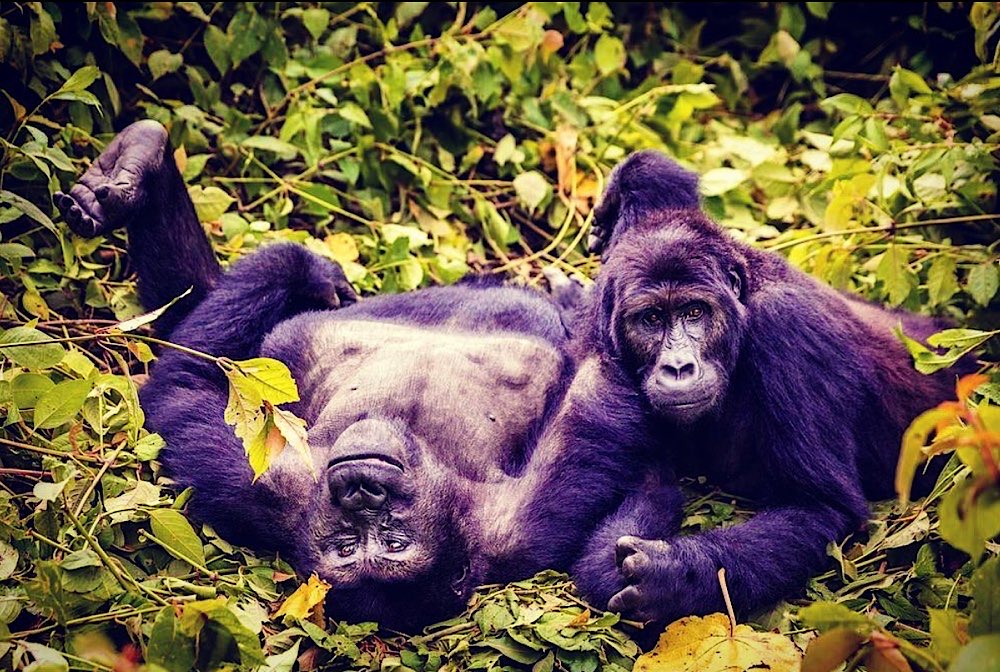
Kahuzi-Biega NP is the only place in the world where habituated Eastern lowland gorillas (also known as Grauer’s gorillas) can be seen. The biggest of all gorilla subspecies, Grauer’s males grow to almost two metres (6 feet and 5 inches). They have shorter hair than mountain gorillas. It is estimated that there are about 3,500 of them left on the planet.
featured image: silberback mountain gorilla in Mgahinga Gorilla National Park by Jiro Ose
Our Stories About Gorillas:
-
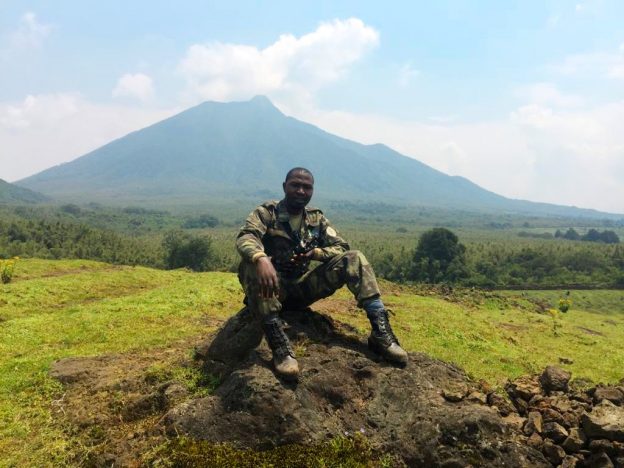
Emma’s Gorilla Tracking Field Report
Hello members! I hope this finds you well, l am called Emmanuel Harerimana, the Gorilla Highlands Expert from Volcanoes National Park! My job is the one of a park guide and I have the honour of visiting mountain gorillas about three times each week. To keep Rwanda’s most valuable animal safe in the pandemic, I…
-

20-Month Love Affair with Grauer’s Gorillas
Amy Porter’s relationship with animals is deep and intriguing. When she was a child, she would tell everyone that she “lived in a tree”. Years later, with an Anthropology PhD from University of California, Davis, and plentiful research experience with monkeys in South America under her belt, she went to the Democratic Republic of Congo……
-
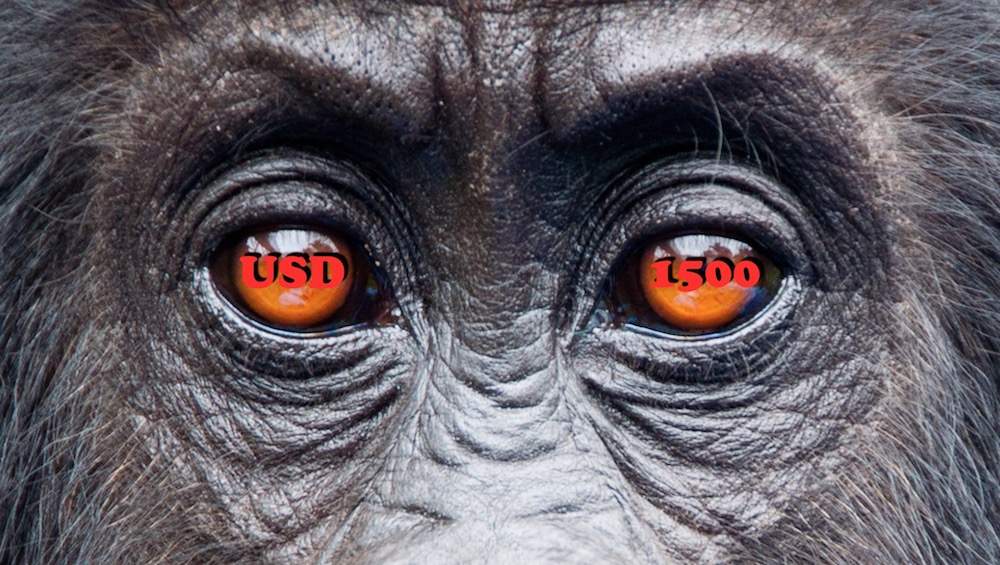
Rwanda’s Gorilla Fees Double in Epic Surprise to the Business
It was an interesting weekend for anyone working in Rwanda’s tourism. Gorilla permit fees doubled overnight, to eye-popping USD 1,500. Rwanda Development Board has been exemplary so far in terms of selling mountain gorilla tracking to the world. Their press release says that the increase is in line with the country’s high-end tourism strategy and…
-

Mgahinga Gorillas Get a Baby
Cyizanie, a mountain gorilla belonging to the Nyakagezi group, gave birth yesterday. An American/Palestinian visitor Dina Tamimi had the privilege of witnessing the astonishing event, as you will see in her video below. The sex of the 11th Nyakagezi gorilla is yet to be determined. This news is exactly what Mgahinga Gorilla National Park needs.…
-
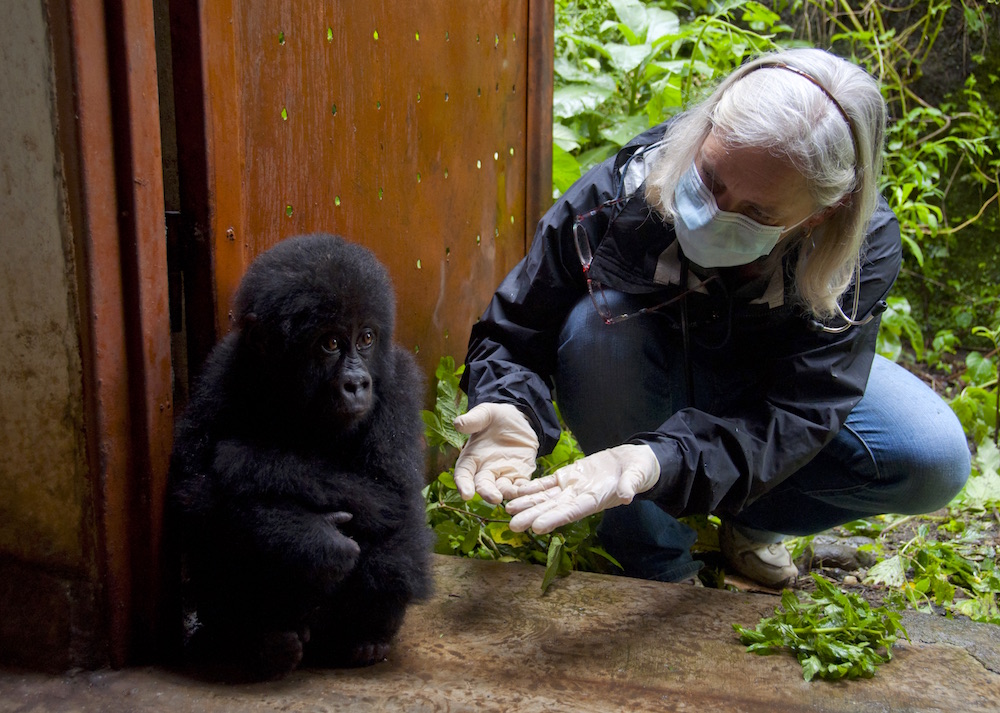
Keeping Gorillas Healthy, or Not
Concerns that humans may pass on diseases were one of the reasons that farmers and forest inhabitants were evicted from the parks. However, the chance of people passing on disease to primates is higher with non-locals who wouldn’t share the same immunities. The main gorilla health organisation is the Gorilla Doctors, previously presented through an interview…
-
Backpacker on a Wheelchair Tracks Gorillas
Despite the anything-but-insignificant cost and physical strain of tracking mountain gorillas, this is an encounter many people feel they definitely have to experience. Even the disabled. Sunday Ndayakunze, the tourism warden of Bwindi Impenetrable National Park, says that on average once a month they get a gorilla tracker who needs assistance. A visitor with disabilities…
-

This Gorilla Was in Serious Trouble But Then …
… but then Gorilla Doctors helped him out! Officially known as the Mountain Gorilla Veterinary Project (MGVP), this international veterinary team provides medical care to mountain gorillas and Grauer’s gorillas living in Rwanda, Uganda, and the Democratic Republic of Congo. They intervene inside the national parks to help gorillas who are seriously sick or injured.…