
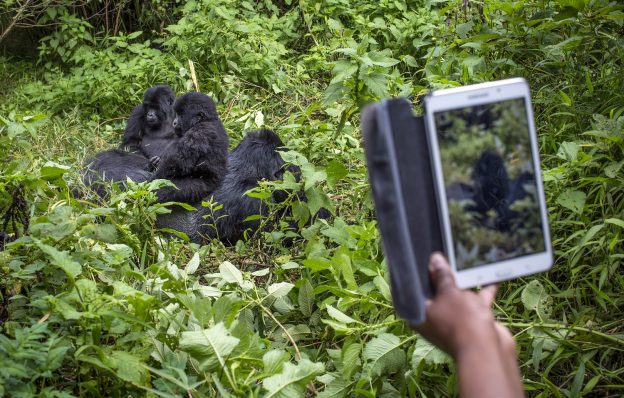
In the national parks of the Gorilla Highlands, many gorilla groups roam. But only some of them can actually receive one-hour visits from tourists. That is because they are habituated or, in other words, used to humans.
This is done very selectively and carefully. For example, when in 2017 Rwanda doubled its gorilla tracking fees from USD 750 to USD 1,500, the explanation was that the limits of habituation had been reached. To use economic terms, the supply of gorillas that could be visited was constrained while the demand for gorilla tracking was growing. Or if we express that in numbers: the majority of Rwanda’s approximately 350 mountain gorillas are habituated; 12 gorilla groups receive visitors, 8 are being researched and there are just about 5 other groups that aren’t followed.
The habituation process is long and can take even two years. It calls for park rangers to go to a particular group every day and sit with them, making calming vocalisations and even pretending to eat leaves. For the first few months the gorillas remain hidden but then they slowly begin to peek out of the vegetation.
When the silverback, the gorilla troop leader, feels comfortable and decides that the visitors are not a threat, they will emerge to feed in the open. Gradually tourists are allowed to visit but the gorillas are monitored every day. Since they have lost their fear of humans they need extra protection. It has been observed that with some groups habituation went too far, making gorillas prone to raiding people’s crops, catching human diseases, and potentially exposing them to the danger of poachers getting too close.
Habituation is a continuous process due to the fact that gorilla groups naturally split. When the troop reforms, it may contain a mix of habituated and unhabituated individuals. Also, in the normal course of events, females switch groups disappointed by their silverback or stray single males may join for short or long periods. The mix can result in very confused unhabituated gorillas — while others wonder what all the fuss is about!
🖋️ text by:
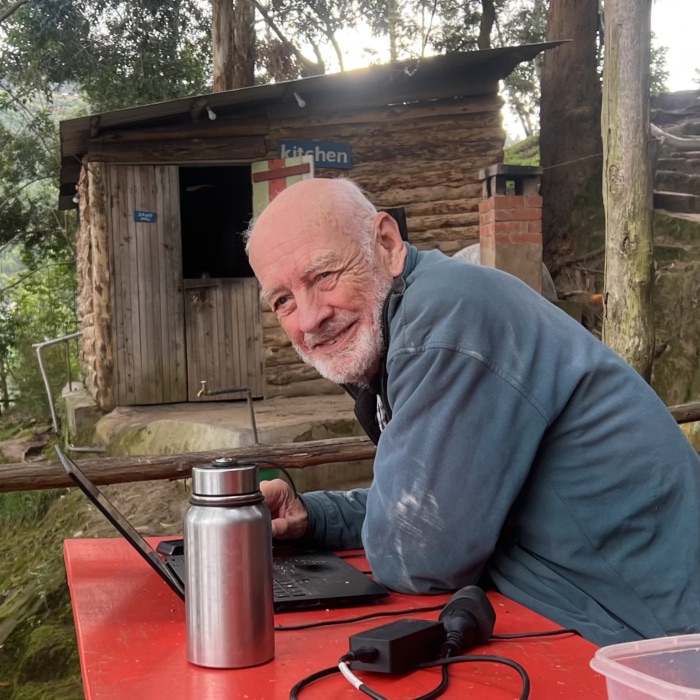
Ian Cantwell, historian and international interdisciplinary researcher, was part of the team that started the Gorilla Highlands initiative in 2011. Our region is one of his focal areas, and the pre-colonial history of the Batwa “Pygmies” a major passion. He is the author of Kigezi Mountain Mosaic, an ebook about the history and culture of southwestern Uganda. When not on research trips in Africa or Europe, Ian can be found somewhere in Ireland. [bio updated: 2026-05]
📸 photography by:

Jiro Ose took part in the 2015 Gorilla Highlands Press Trip, and left a fantastic photo library behind. He has received several global photojournalism prizes, including the Award of Excellence at the Pictures of the Year International competition for his coverage of elections in DR Congo. After spending nearly 15 years in Africa, three years on Beirut and five years in Indonesia, Jiro recently relocated to Bangkok, Thailand. [bio updated: 2026-03]
Wish to check out all our 100+ contributors? Dive into the GHE Biosphere to meet everyone who has made us.