

In the hills of Kisoro, where mist rolls off the Virungas and time seems to slow down, fish from Lakes Chahafi and Kayumbu is nothing short of treasure. So valuable, in fact, that fishmongers won’t dare cut a Mirror Carp unless someone is ready to buy the whole thing. A single kilo sells for no less than four dollars, a fortune here, where most people live on less than one.
Locals treat fish like currency, celebration, and heritage all rolled into one. The lakes are watched closely by the government, which steps in now and then with a strict fishing pause to let the stock recover. When that happens, fishing boats rest on the shore and the fishermen turn to digging fields instead, waiting patiently for the waters to return their favor.
Lake Chahafi is renowned for Mirror Carp, while Kayumbu has long been a Tilapia stronghold. Both lakes also harbor Mud Fish and the nearly mythical Frog Fish (Enkere). The government introduced Mirror Carp and Tilapia in the 1960s, then added Haplochromine in 2001, hoping to boost yields.
That plan backfired. Haplochromine, though tiny, just ten grams fully grown, are aggressive and relentless. According to businessman and nature lover Robert Mugisha, these fish bullied their way through the ecosystem, pushing out native species. Mirror Carp all but vanished from Kayumbu, and Enkere became a nostalgic memory. Add reckless fishing methods, and the damage only deepened.
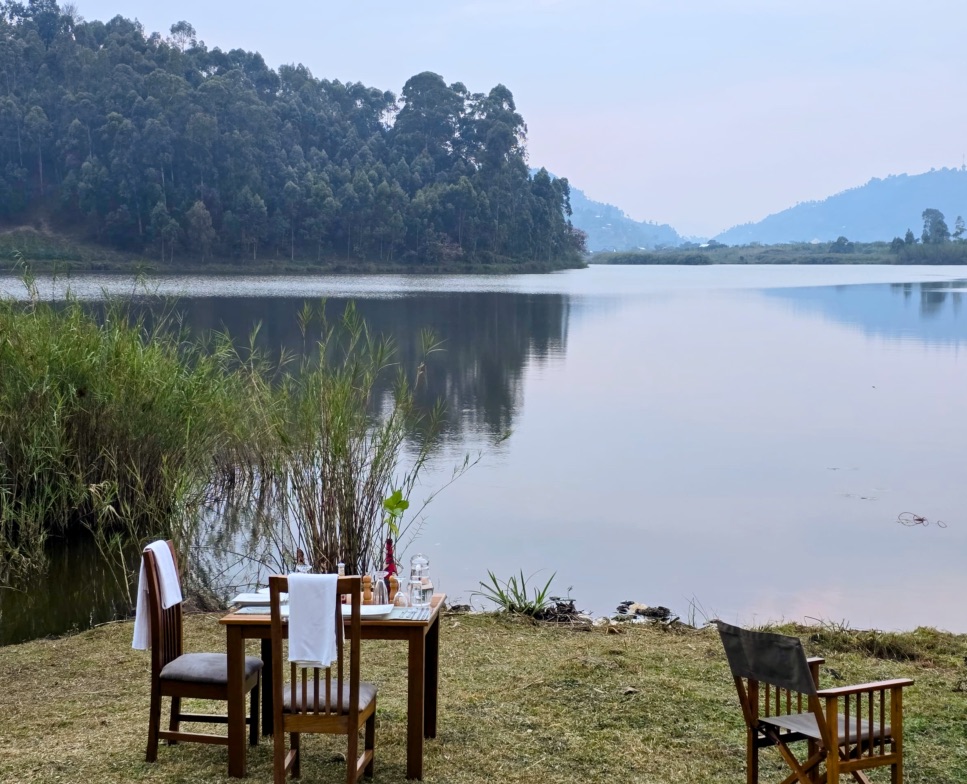
For those drawn to the thrill of the catch, night fishing on Chahafi is a must. Beneath a sky full of stars, you might just reel in a Mirror Carp — if you’re lucky. You can use Lake Chahafi Resort as your launchpad, a comfortable lodge that can host up to twenty-nine guests and serves a hearty continental menu.
As for the name “Chahafi,” two stories compete. Some say it refers to how, during heavy rains, the lake creeps toward nearby homes, prompting the locals to say, “The seasonal swamp has come to us.” Others claim it comes from Rwandan travelers who once walked the narrow lakeside path into Uganda, telling those they met they had come “via the near route.” Chahafi. Either way, the lake remains a place of mystery, beauty, and stories worth retelling.
🖋️ text and 📸 photography by:
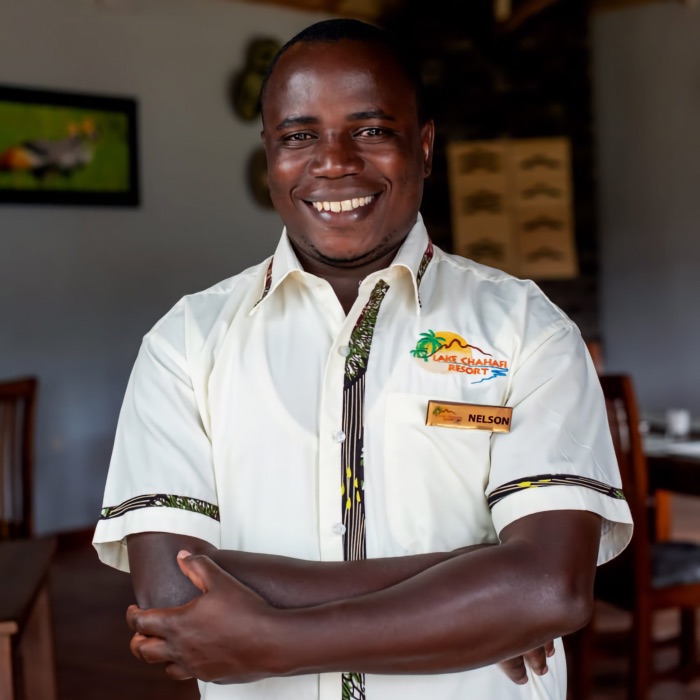
Nelson Mugisha learned about the transboundary region idea way back in 2014, when he was only two years deep into building his Lake Chahafi Resort. He had a vision that went far beyond the resources actually available to develop his father’s farmland — a mindset very close to Gorilla Highlands Experts. From being interviewed about his lake to hosting hikers on multi-day treks, Nelson’s involvement eventually grew to include writing, just as the resort evolved from a campsite to a boutique facility. He retired from his Uganda Revenue Authority service in 2022 and now moves between Chahafi and Kampala, Uganda. [bio updated: 2026-06]
Wish to check out all our 100+ contributors? Dive into the GHE Biosphere to meet everyone who has made us.