
UPDATE, 17 July 2026: Uganda’s last confirmed ebola patient has been discharged, beginning the 42-day countdown until the outbreak can be declared over.
The information about ebola in our wider region is all over the place. How can an outsider reconcile last week’s dramatic report from DR Congo by The Daily — the second most popular podcast in the world according to Apple’s 2025 data — with the somewhat agitated video address by Uganda Media Centre showing business as usual? To make sense of it, here are some answers assisted by yesterday’s WHO update:
❓WHAT IS “CENTRAL AFRICA” FROM GLOBAL MEDIA’S COVERAGE?
An area spanning many hundreds of square kilometres/miles, partitioned into several nations with vastly different levels of organisation and development. For example, it would have been unthinkable to have scores of people mysteriously dying for months in a reasonably well-run country like Uganda — but it did happen in the much more troubled DR Congo. Because ebola was declared only in the middle of May, there was concern that the spread had already gotten out of control.
❓HOW WAS THAT POSSIBLE?
The Bundibugyo virus strain is rare and hard to detect, and the Congolese health system is weak. The origin of the name “Bundibugyo” is a Ugandan border district where it was first identified in 2008, but the current crisis comes from the mining towns in eastern Congo.
❓BUT AREN’T THERE CASES IN UGANDA TOO?
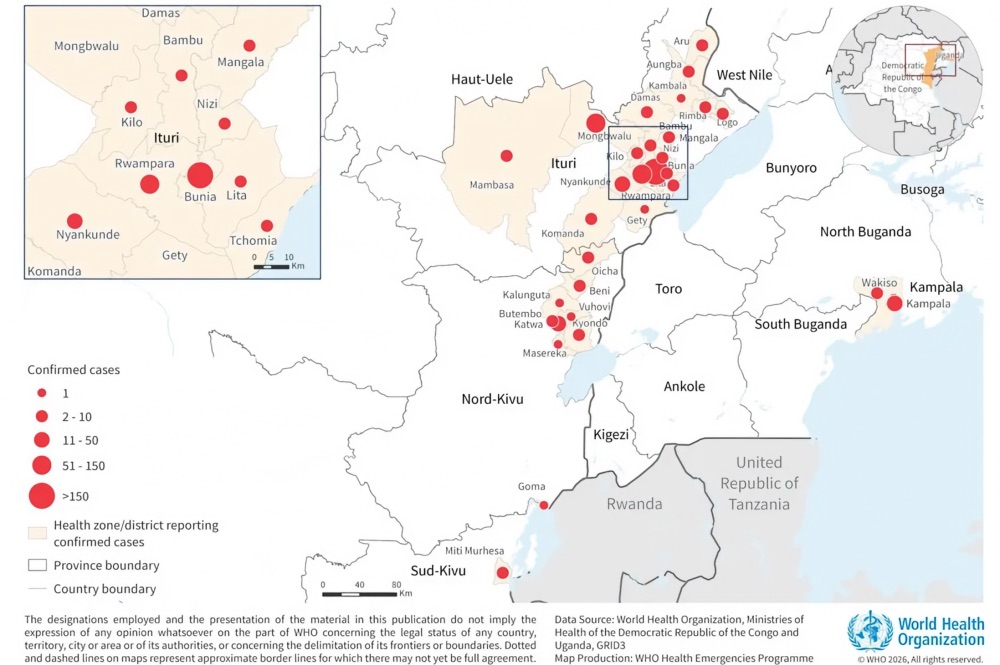
There are, and the most recent official count is 19 cases, stable for a week. All these are linked to travellers from DR Congo and there has been no documented community transmission in Uganda.
In the olden days, ebola would hit a village, cause total devastation and die out because the virus is very aggressive and decimates its hosts. In the modern world, people travel widely and eastern Congo is in fact better connected to Uganda’s Kampala than to its own capital Kinshasa.
❓WHAT ARE THE NEIGHBOURING COUNTRIES DOING ABOUT IT?
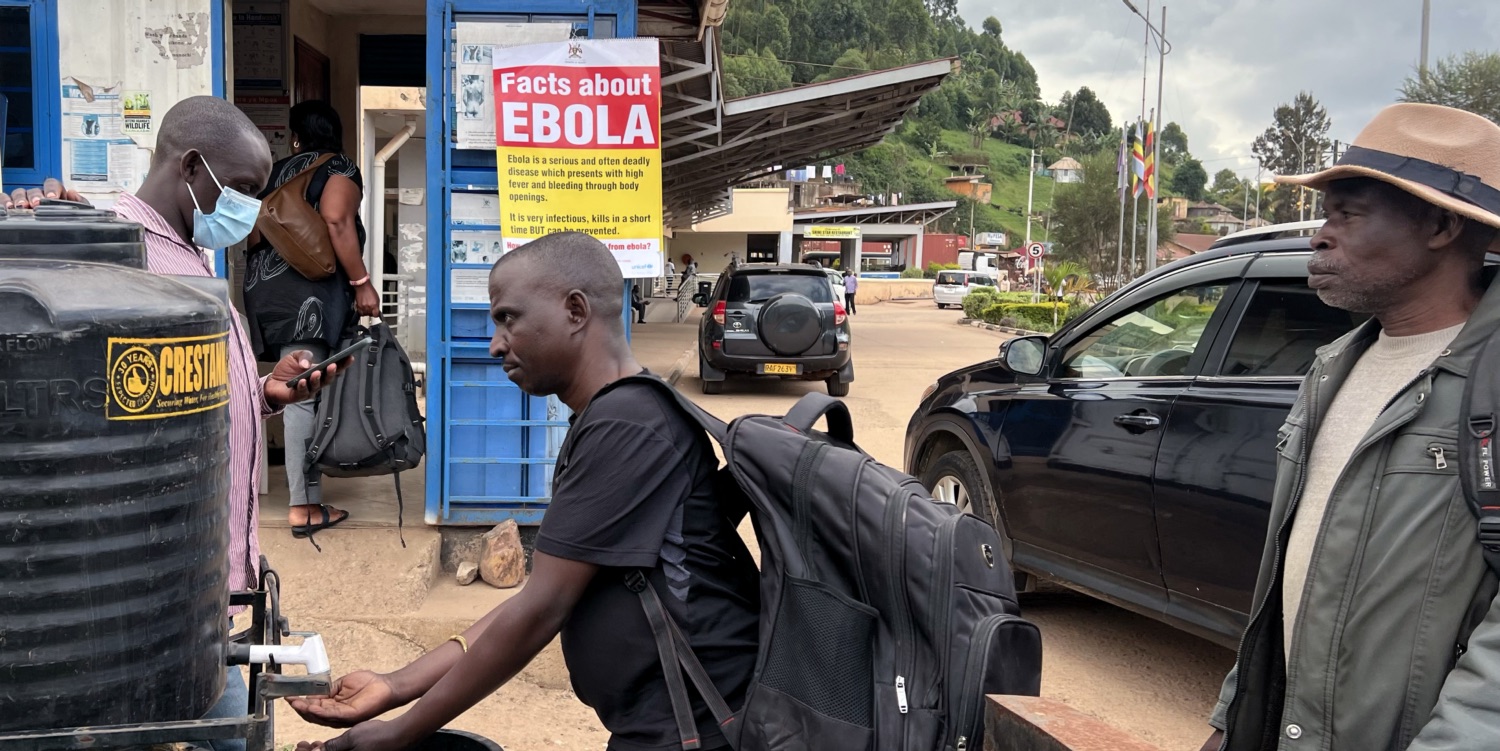
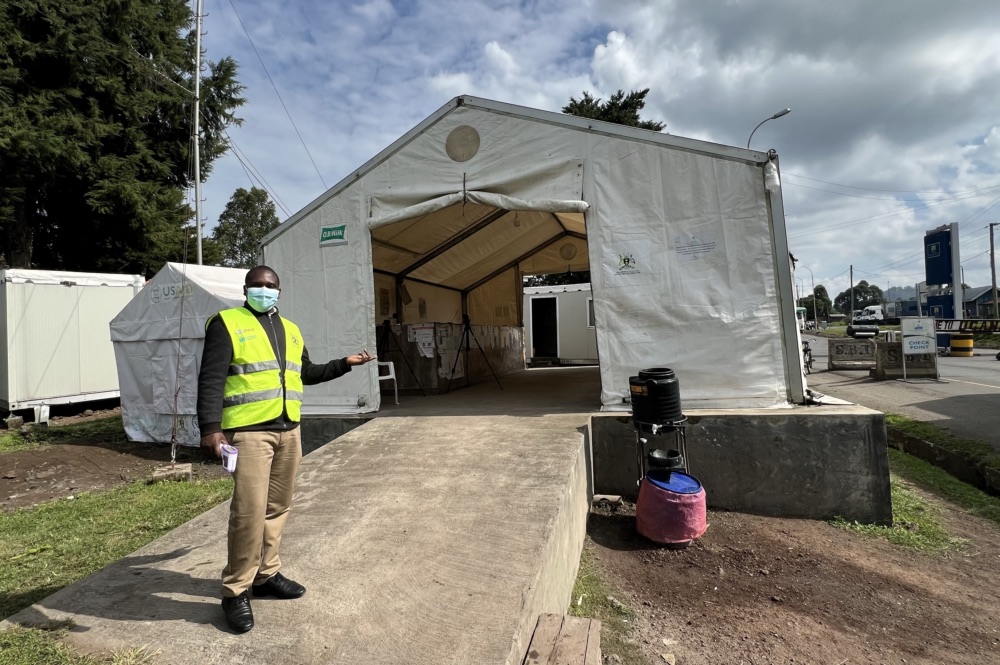
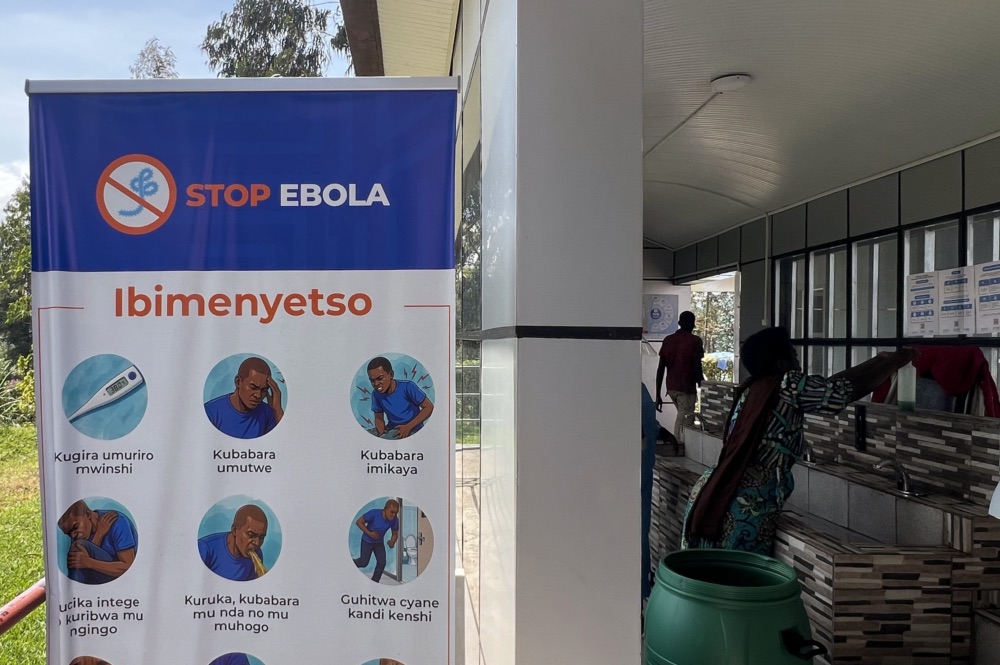
Uganda and Rwanda have stopped public transport from Congo and beefed up health controls on their borders. The photos show such tests and posters educating the general public where Uganda and Rwanda meet.
❓WILL THESE MEASURES KEEP UGANDA AND RWANDA SAFE FROM MORE IMPORTED CASES?
Closures of official crossings could mean that people find their way out of Congo where there is no oversight. Additionally, border checks look for fever and won’t pick up asymptomatic people. During ebola’s incubation period of 2–21 days an infected person hasn’t yet developed the symptoms and doesn’t yet become infectious to those around them.
❓WHAT HAPPENS WHEN SYMPTOMS DO APPEAR?
The initial presentation of the illness may resemble other common conditions like malaria and typhoid so — especially in smaller health centres with less experienced staff and weaker infrastructure — the diagnosis may be delayed and further transmission occur before someone realises what is going on. In addition there may be limited personal protective equipment for health workers putting them at risk, for example being infected through the mucous membrane of the eyes.
❓ARE YOU SAYING A TRANSBOUNDARY CRISIS IS LIKELY, THE WAY WEST AFRICA SUFFERED IN 2013-2016?
No. West Africa was unprepared and didn’t take ebola seriously enough quickly enough. Uganda is a different case altogether. Highly experienced and organised, its public health authorities are renowned worldwide for the decisive and effective way they deal with viral haemorrhagic fevers. In fact, a decade ago Ugandan medical professionals were flown to West Africa to help curtail the situation there.
The virus getting out of control on Ugandan soil is highly unlikely. Over the years, the country has been through several outbreaks and evolved its approaches. It also happens to be a state led by a military-minded regime that — unlike their counterparts in the DRC — tightly controls all of its territory and is not afraid of drastic action.
❓WHAT ABOUT RWANDA?
First of all, there have been no cases in Rwanda so far. If ebola appears, it will be stopped quickly as the government’s mindset is similar to that in Uganda. During the Covid-19 pandemic, Rwanda was among the most successful countries in the world in stopping the spread. In 2024 it gained valuable experience during the first ever Marburg disease outbreak on its territory.
Due to the M23 rebellion in Eastern DR Congo, there is now some buffer zone between government-controlled areas (where the virus came from) and Rwanda. Even though the health sector remains run by Kinshasa, the rebels impose additional restrictions on the movement of people.
❓WHAT IS THE REALITY IN DR CONGO?
The most recent official number is 676 confirmed cases, with 136 deaths among them. These stats should be taken with a grain of salt. On the one hand there is the likelihood that many infected people haven’t been reported yet. On the other hand, the numbers could be exaggerated to attract funding from abroad.
The M23 rebellion and other insurgent groups make dealing with viruses much more challenging, not to mention local people’s distrust of authorities of any kind is a huge obstacle, but this is old news to the Congolese. Despite security and health system obstacles, the country benefits from deep expertise in managing epidemics. It has already contained several ebola outbreaks and counts among its scientists Professor Jean-Jacques Muyembe, a world-renowned virologist who participated in the identification of the first ebola cases in 1976 and has dedicated more than 40 years to researching and combating this disease. DR Congo will defeat this crisis too — because of the efforts of individuals who promote vigilance, solidarity and respect for public health recommendations.
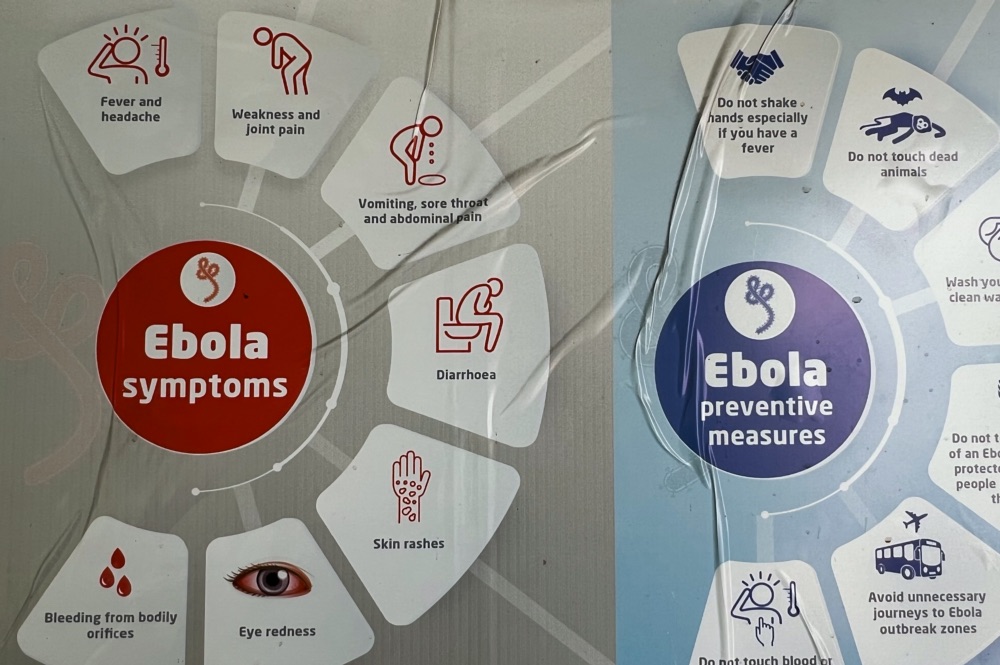
❓ WHAT ARE THESE RECOMMENDATIONS?
The virus is transmitted to people from wild animals (such as fruit bats, porcupines and primates) and then spreads in the human population through direct contact with the blood, secretions, organs or other bodily fluids of infected people, and with surfaces and materials (e.g. bedding, clothing) contaminated with these fluids. Therefore you have to avoid physical contact like handshaking and increase the frequency of handwashing with soap. Touching bodies, of humans or animals, is a strict no-no.
Health authorities also advise against travel to ebola outbreak zones.
❓IS THE WHOLE OF UGANDA AN EBOLA OUTBREAK ZONE?
It is not — and the WHO map demonstrates that best. The current cases were found in two districts in the centre of the country, and that is it. It would be smart to keep an eye on further developments and possible geographical spread but the way things stand at the moment enhanced precautions are enough for your travel to Uganda.

❓SO WHY IS UGANDA GROUPED WITH CONGO IN MEDIA REPORTS?
Because that’s how the press works. It loves generalisations and simplifications. The fact that such reporting badly affects whole countries isn’t important — all that really matters is that 5-year-old Emmanuel is ebola-free, has been discharged and returned home (to end with an example from The Daily podcast).
🖋️ text by:

Elie Cirhuza is a freelance journalist and digital communication consultant who works on the Gorilla Highlands Experts media team. A 2025 winner of the Jinsia Kwa Amani competition in DR Congo, Elie is UNICEF’s U-Reporter who participates in community outreach about fighting ebola and similar diseases. His current post is Lake Bunyonyi, Uganda. [bio updated: 2026-06]
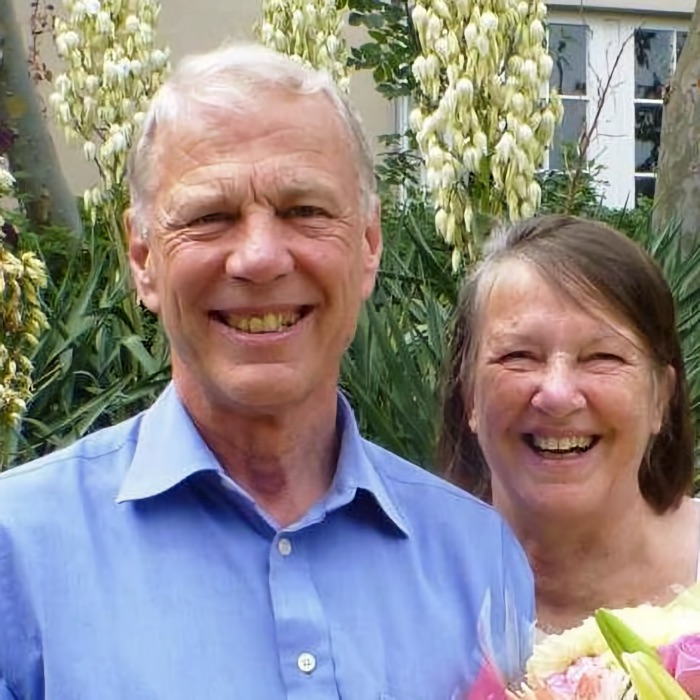
Dr. Ian Spillman has twice served as Medical Superintendent of Kisiizi Hospital at the beautiful falls that power it. Originally a paediatrician from the UK, he and his Dutch spouse Hanna, a nurse midwife, first came to Kisiizi in 1987 for six years and then returned in 2012 for a ten-year stint. They remain on the board of directors of Stre@mline Health Tech, a digital platform facilitating community-based health insurance, and co-ordinate the Friends of Kisiizi organisation of supporters. Still regularly visiting Kisiizi, Hanna and Dr. Ian are based in Christchurch, England [bio updated: 2026-06]
🖋️ text and 📸 photography by:
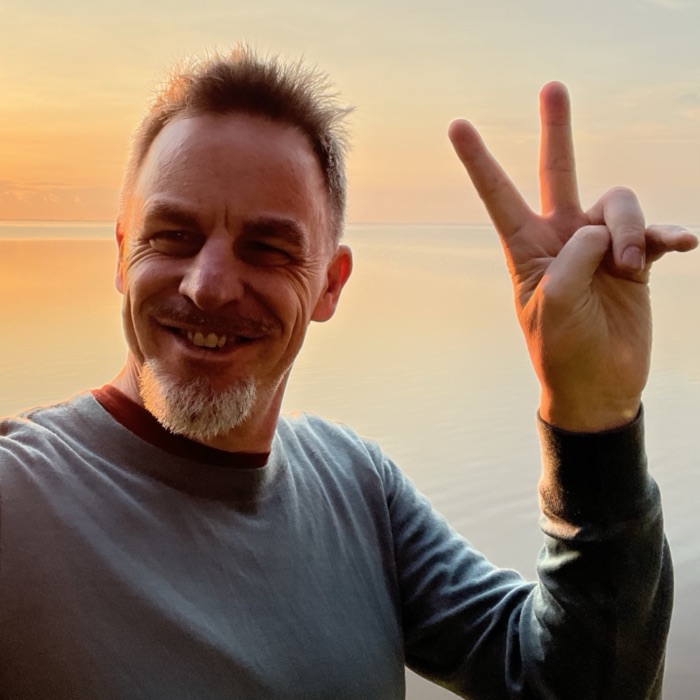
ML Rwebandira is an adventure and cultural tourism expert, writer and multimedia producer who co-founded Gorilla Highlands Experts. Born as Miha Logar, he now combines his initials with “Rwebandira” to honour the Bakiga elder Karwemera, who gave him the name. ML’s most recent publication is the Pocket Treasure. A national of both Uganda and Slovenia, Rwebandira resides with his son Lan in Musanze, Rwanda. Click for his personality-infused quarterly newsletters. [bio updated: 2026-09]
Wish to check out all our 100+ contributors? Dive into the GHE Biosphere to meet everyone who has made us.
Comments
One response to “Ebola & Travel to Uganda or Rwanda: Separating Fact from Fear”
[…] ignoring the ridiculous ebola scare, I finally drove to Uganda, with the famous Lake Bunyonyi as my first destination. And Edirisa was […]